
 If you can “feel a storm coming” before the forecast does, you’re not imagining it. Many people in Mt. Dora tell us the same thing: a thunderhead builds, the air turns heavy, and that familiar migraine warning starts to buzz behind the eyes. It’s frustrating—and it’s real.
You’re not alone, and you’re not weak. Your nervous system is simply working hard to keep up with Florida’s fast-changing weather. The good news: there are practical ways to reduce how hard those changes hit you.
Key Takeaways: Explaining Migraine and Seasonal Changes in Mt. Dora
- Weather-triggered migraines are real and common in Mt. Dora’s humid, storm-prone climate
- Barometric pressure changes, high humidity, and rapid temperature shifts are the main weather triggers
- Upper cervical misalignment can make you more sensitive to weather-related migraine triggers
- Gentle upper cervical adjustments can improve your nervous system’s ability to adapt to environmental stresses
- Weather sensitivity usually improves when underlying spinal alignment issues are addressed
- Tracking your weather patterns helps identify triggers and plan preventive strategies
Why Florida Weather Is a Perfect Storm for Migraines
Mt. Dora’s climate presents some unique challenges for migraine sufferers. We’re talking about a place where you can experience dramatic barometric pressure changes, high humidity, intense heat, and sudden afternoon thunderstorms—sometimes all in the same day.
- The pressure changes here are intense. When those afternoon storms build up over Central Florida, the barometric pressure can drop significantly and quickly. We’ve observed that many patients start feeling symptoms hours before the rain actually hits.
- Humidity levels that would make anyone uncomfortable. Florida’s humidity isn’t just annoying—it can be a serious migraine trigger. When the air feels thick enough to swim through, your body has to work harder to regulate temperature, which can stress systems that are already sensitive in migraine sufferers.
- Temperature swings that catch you off guard. You know those days when it’s 75 degrees in the morning and 90 by afternoon? Your body—and especially your nervous system—has to constantly adjust. For people with migraine tendencies, this constant adaptation can be overwhelming.

The Science Behind Weather-Triggered Migraines
Here’s what we understand about how weather changes affect your body: your nervous system is incredibly sensitive to environmental changes. When barometric pressure drops (like before a storm), it can cause tissues in your body to expand slightly. This includes tissues around your brain and in your sinuses.
For people whose nervous systems are already hyperactive—which describes most migraine sufferers—these small physical changes can trigger the cascade of events that leads to a full migraine episode.
Your upper cervical spine plays a role too. The top of your neck houses critical nerve pathways and blood vessels that supply your brain. When weather changes affect muscle tension, inflammation, or circulation in this area, it can contribute to migraine development.
We’ve seen patterns where patients whose upper cervical alignment is off tend to be more weather-sensitive. When we address those alignment issues, many patients report that weather changes don’t hit them as hard.
Recognizing Your Weather Patterns
Over the years, we’ve helped patients identify their specific weather triggers. It’s not always what you’d expect.
- Barometric pressure drops are the most common trigger we see. This usually happens 12-48 hours before a storm system moves through Central Florida.
- High humidity days (which, let’s be honest, is most days here) can trigger migraines, especially when combined with heat.
- Rapid temperature changes seem to affect people differently. Some patients are more sensitive to sudden warming, others to cooling.
- Storm activity itself—the electrical activity in the atmosphere—may trigger migraines in some people, though this is less understood.
- Seasonal transitions can be particularly challenging. Those few weeks when Florida weather can’t decide if it’s still summer or finally fall often bring an increase in migraine activity to our practice.
Here’s what might help you track your patterns: pay attention to how you feel when you wake up on days when the weather “feels different.” Many patients tell us they can sense pressure changes before they even check the weather app.
The Upper Cervical Connection
This is where our expertise really comes into play. We’ve been focusing on upper cervical care for years, and we’ve seen how critical proper alignment of your atlas (C1) and axis (C2) vertebrae is for migraine management.
When your upper cervical spine is misaligned, it can affect:
- Blood flow to and from your brain
- Nerve function in areas that control pain processing
- Muscle tension in your neck and head
- Your body’s ability to adapt to environmental stresses like weather changes
We use precise, gentle adjustments to restore proper alignment in this critical area. We use very specific, measured corrections that allow your nervous system to function more efficiently.
What we’ve observed is that patients with better upper cervical alignment often report being less sensitive to weather changes. They might still notice storms coming, but the migraines don’t hit as frequently or as severely.
Living with Weather-Sensitive Migraines in Central Florida
Look, we can’t change the weather (though sometimes we wish we could). But there are strategies that can help you navigate Mt. Dora’s climate challenges more successfully.
- Stay ahead of pressure changes. Many of our patients use weather apps that track barometric pressure. When you see a significant drop coming, you can take preventive steps before symptoms start.
- Manage humidity exposure. We know you can’t avoid Florida humidity entirely, but limiting time outdoors during the most humid parts of the day (usually late morning through mid-afternoon) can help some patients.
- Temperature regulation matters. Air conditioning isn’t just comfort—it’s medical necessity for many migraine sufferers. Keeping your indoor environment stable can give your nervous system one less thing to constantly adjust to.
- Hydration is crucial here. Florida heat and humidity mean you’re losing water faster than you might realize. Dehydration is a major migraine trigger, and it’s easy to get behind on fluids without realizing it.
- Sleep consistency becomes even more important. When your body is dealing with weather stress, maintaining good sleep patterns gives your nervous system the recovery time it needs.
When Weather Isn’t the Only Factor
We want to be clear about something: while weather can definitely trigger migraines, it’s rarely the only factor involved. Most of our patients find that weather sensitivity is just one piece of a larger puzzle.
Other factors we commonly see contributing to migraines include:
- Upper cervical misalignment (our specialty)
- Hormonal changes
- Food sensitivities
- Stress levels
- Sleep quality
- Dehydration
- Screen time and eye strain
The good news is that when we address the underlying factors—especially spinal alignment—many patients find they’re less vulnerable to all their triggers, including weather changes.
Upper Cervical Treatment Approach
Our approach focuses on identifying and correcting misalignments in your upper cervical spine using gentle, precise techniques. We don’t use any forceful adjustments or sudden movements.
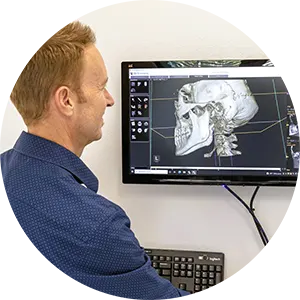
First, we do thorough imaging and assessment to understand exactly how your upper cervical spine is positioned. Then we develop a specific correction strategy tailored to your individual alignment pattern.
The adjustments themselves are subtle but very precise. Many patients are surprised by how gentle the process is—nothing like what they might expect from traditional chiropractic treatment.
What we’re doing is removing interference from your nervous system so it can function more efficiently and adapt better to environmental stresses like weather changes.
Explore Upper Cervical Care in Mt. Dora FL: Find Out if It Applies You?
We need to be honest: we can’t make you completely weather-proof. Florida’s climate is challenging for migraine sufferers, and while upper cervical care can make a significant difference, it’s not magic.
What we can do is help your nervous system function better overall, which often means:
- Less frequent migraines
- Less severe episodes when they do occur
- Faster recovery times
- Better tolerance for your known triggers
- Improved overall quality of life
Some patients see improvements quickly, others take longer. Every person’s situation is different, and we work with you to develop realistic expectations based on your specific case.
Find out more about migraine chiropractic care in Mt. Dora by scheduling your consultation with Dr. Torres or Dr. Gignac.
 Frequently Asked Questions
 Frequently Asked Questions
Can upper cervical misalignment make me more sensitive to weather changes?
Absolutely. When your atlas and axis vertebrae are misaligned, it can affect nerve function and blood flow around your brainstem—the area that processes pain signals and helps your body adapt to environmental changes.
We’ve seen many patients become less weather-sensitive once we address their upper cervical alignment issues. It’s like giving your nervous system better tools to handle Florida’s challenging climate.
Why do I get migraines before storms but not during them?
This is really common, and it’s all about barometric pressure changes. The pressure typically starts dropping hours before a storm arrives in Central Florida. Your body responds to that pressure change, not the storm itself.
By the time the rain starts, the pressure has often stabilized, so your symptoms may actually improve. It’s like your body is reacting to the approaching weather, not the weather that’s already here.
Is there a specific humidity level that triggers migraines?
We haven’t found a magic number that applies to everyone, but we do notice patterns. Many of our patients report more problems when humidity gets above 70%, especially when combined with temperatures over 85 degrees.
The challenge in Mt. Dora is that we often hit those levels for months at a time. What seems to matter more is sudden increases in humidity rather than just high humidity alone.
Do seasonal allergies play a role in weather-related migraines?
They can definitely be connected. Florida’s year-round pollen and allergen exposure can cause sinus inflammation and congestion, which can trigger migraines in sensitive people.
Plus, the same weather patterns that trigger migraines—like high humidity and pressure changes—also tend to make allergy symptoms worse. We often see patients whose migraines improve when they get their allergies under better control.
Why are my weather-triggered migraines worse in the summer than winter?
Summer in Central Florida is particularly challenging because you get the triple threat: intense heat, very high humidity, and frequent afternoon storms with rapid pressure changes.
Your body is already working harder to stay cool and comfortable, so adding weather-related stress can more easily push you over the migraine threshold. Winter weather here is generally more stable, with fewer dramatic pressure swings.
Can moving away from Florida help my weather-triggered migraines?
Some patients do find relief in different climates, particularly those with more stable barometric pressure and lower humidity. However, many people discover they’re still sensitive to weather changes wherever they go—just different types of changes.
Before making a major life decision like relocating, we’d recommend addressing any underlying factors like upper cervical alignment that might be making you more vulnerable to weather triggers in the first place.
To schedule a consultation with Dr. Gignac, call our Mt Dora office at 352-461-1695. You can also click the button below.
 If you are outside of the local area, you can find an Upper Cervical Doctor near you at www.uppercervicalawareness.com.
About the Author